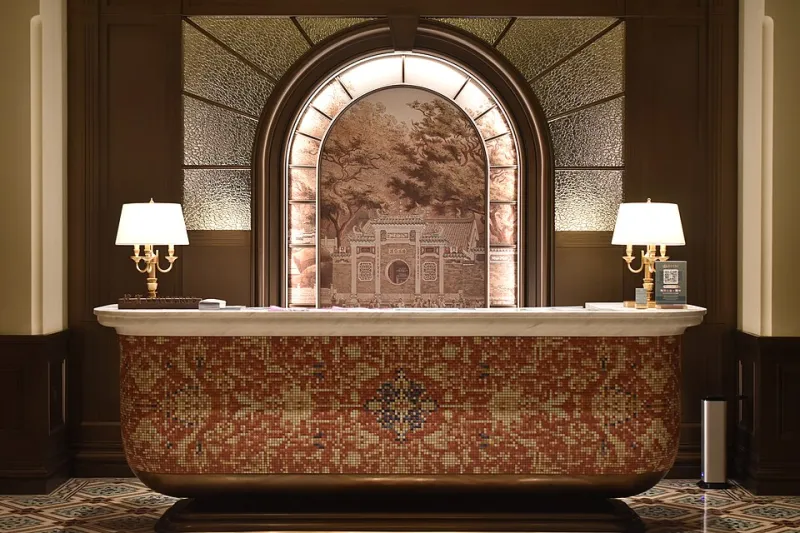
Ask the Person Who Knows: In Defense of the Hotel Concierge
The most seasoned concierges hold a map of a destination no app can replicate. Travelers who skip the concierge desk may be visiting a place without ever truly arriving.
Category
12 articles
The most seasoned concierges hold a map of a destination no app can replicate. Travelers who skip the concierge desk may be visiting a place without ever truly arriving.
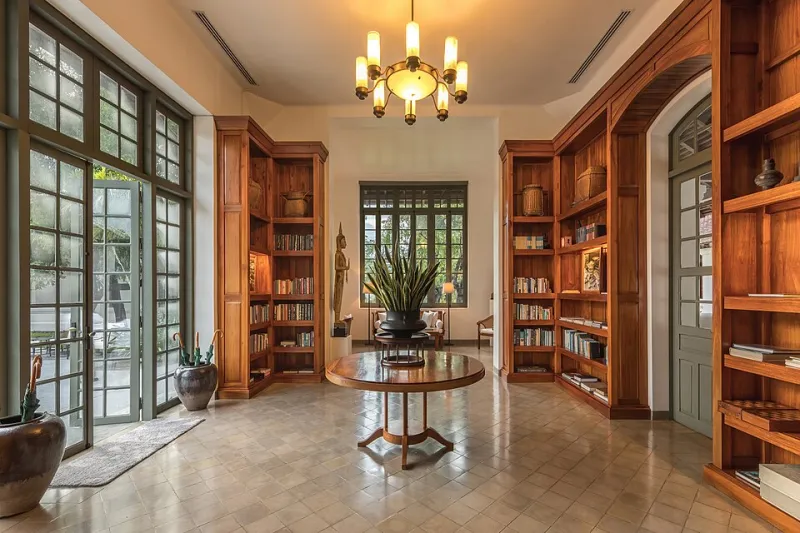
Across America's most exclusive resorts, the suite has quietly become the headline attraction. We examine how private terraces, in-room spa services, and butler-grade pantries are transforming accommodations into destinations in their own right.
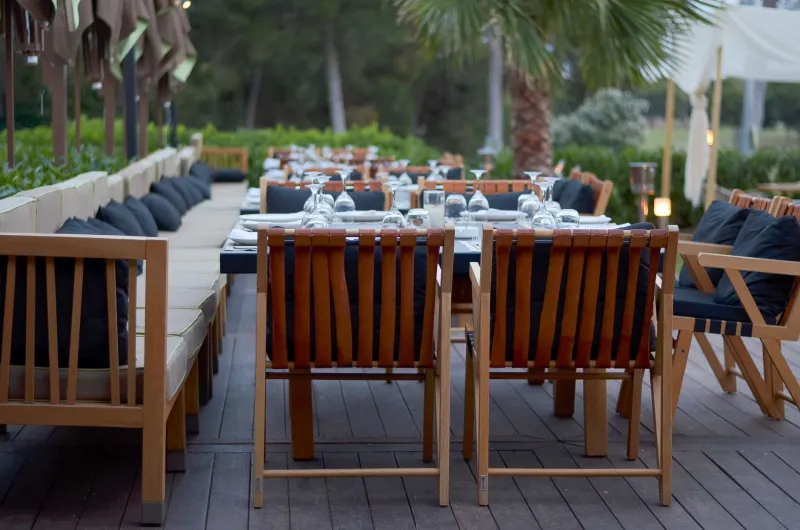
The most revealing measure of a resort's quality is not its spa menu or star rating, but whether it can delight a grandmother, a millennial parent, and a seven-year-old at the same table. Inside the rise of multigenerational travel and the properties designing for all ages at once.
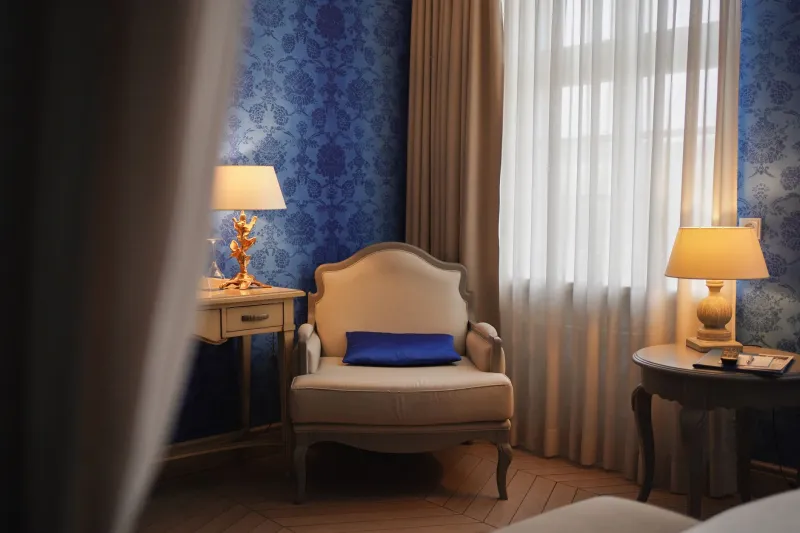
The most transformative resort experiences are rarely the ones guests can articulate. They are the ones guests simply feel—a room that seems to breathe at precisely the right temperature, a corridor bathed in light that soothes rather than startles, a lobby where sound behaves as though it has been taught good manners. This is the invisible architecture of sensory calibration, and it has become the defining discipline of luxury hospitality.
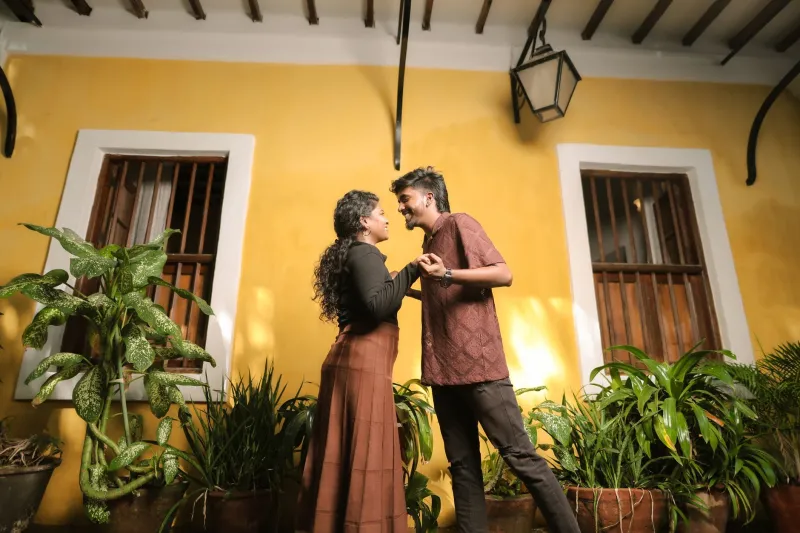
The moment feels entirely spontaneous: a local ceramicist happens to be working in the courtyard, a rare vintage appears on the menu without announcement, a path through the grounds leads unexpectedly to a private piano recital. None of it was accidental. Understanding how the finest resorts engineer these experiences—and why the engineering must remain invisible—reveals one of hospitality's most demanding and least discussed disciplines.
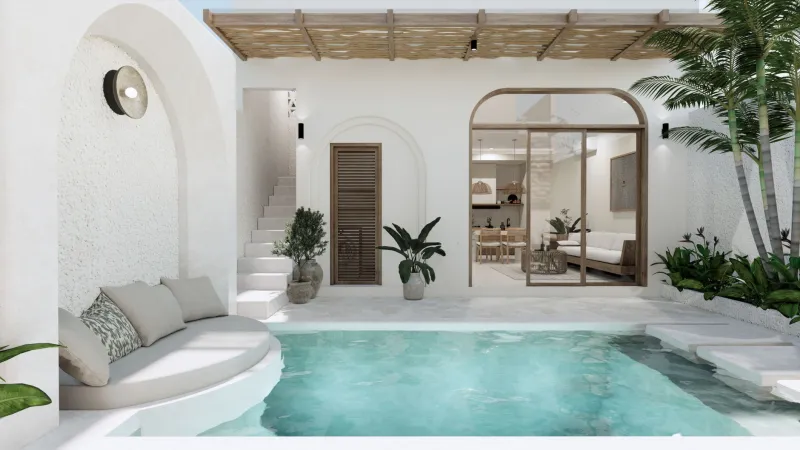
The most sophisticated resort designers in America are solving what was once considered an impossible equation: how to make a guest feel entirely, gloriously alone while remaining warmly woven into a living community. This is not a contradiction — it is, increasingly, the defining achievement of premium hospitality design.
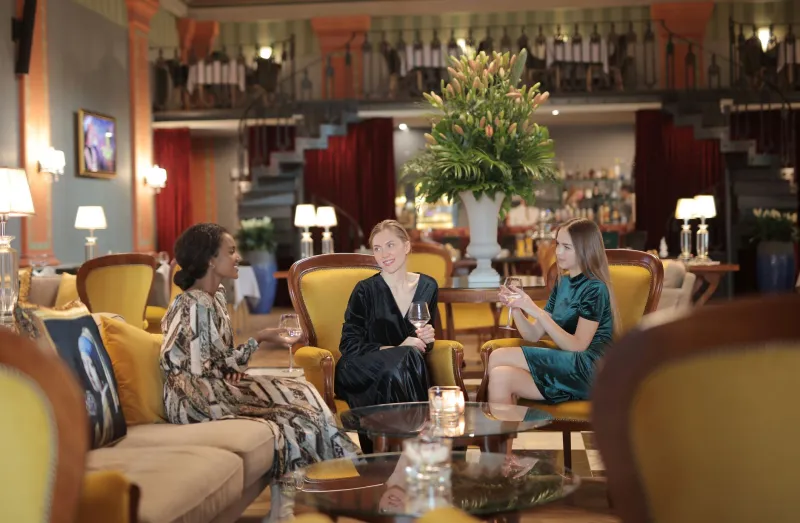
For years, the luxury resort industry measured its ambitions in the square footage of private villas and the depth of personal butler service. Something significant is shifting. The most prestigious hospitality brands are now competing on an entirely different terrain — the quality of their communal spaces and the richness of the human encounters those spaces are designed to produce.
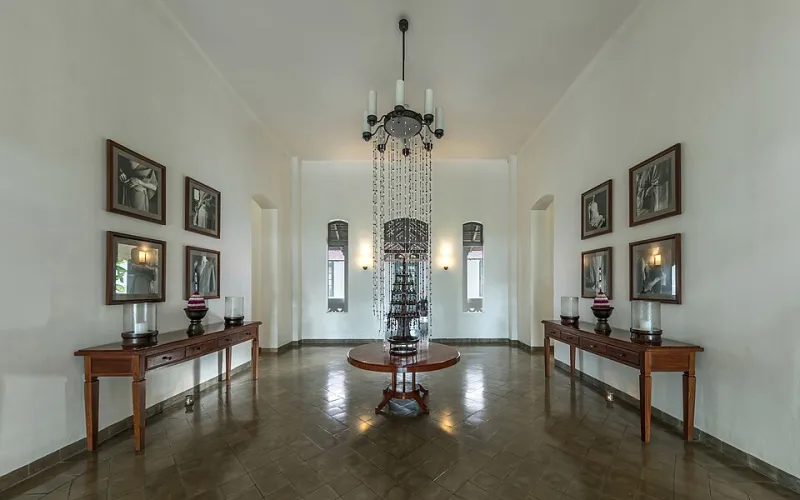
At America's most prestigious resort destinations, the first impression is no longer visual—it is olfactory. A growing movement among luxury hospitality brands is treating scent with the same strategic seriousness as interior design, positioning signature fragrances as foundational elements of the guest experience and long-term brand identity.
In the world's most refined hospitality environments, the instinct to impress through abundance is giving way to something far more deliberate: the careful orchestration of sensory experience through strategic simplicity. From the precise temperature of ambient lighting to the considered silence between musical phrases, restraint has quietly become the most eloquent language luxury can speak. For the discerning American traveler, this shift demands a new kind of attention.
The most memorable moments in luxury hospitality rarely begin with a guest making a request. They begin with a staff member who noticed something—a preference, a hesitation, an unspoken need—and acted on it before the guest thought to ask. This is the new frontier of elite resort service, where emotional intelligence has become as essential a credential as technical training.
The finest resort dining experiences are no longer defined solely by Michelin credentials or imported ingredients. Across premier destinations, a new culinary philosophy is taking hold—one that treats local food geography as both inspiration and identity. For guests who consider the table a central pillar of meaningful travel, this shift is transforming the way luxury hospitality tells its most compelling stories.
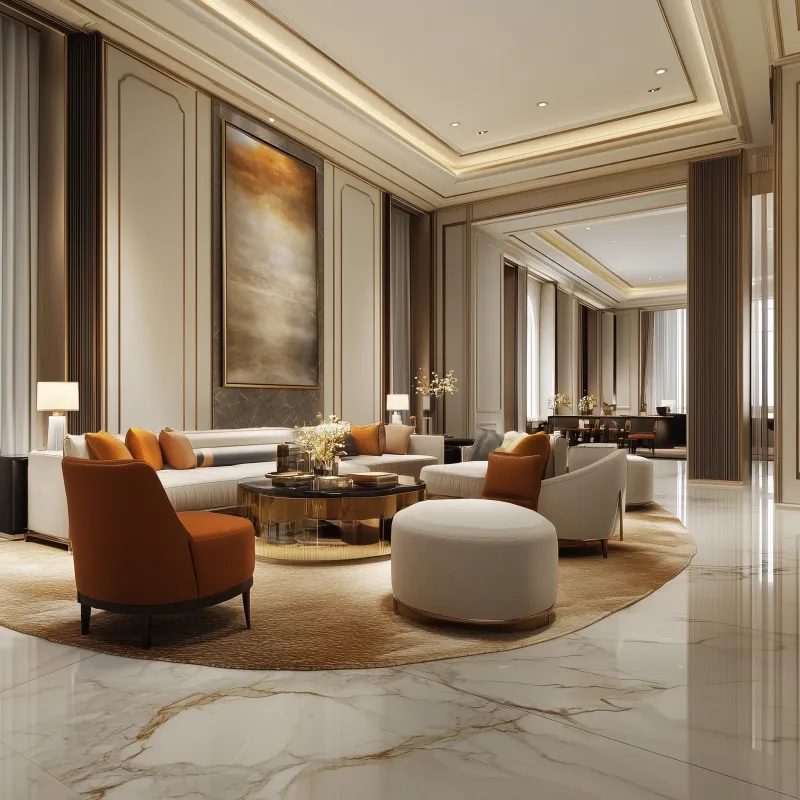
French hospitality has long been regarded as the gold standard of refined travel—a tradition built on meticulous attention to detail, genuine warmth, and an almost philosophical commitment to beauty in everyday life. Sofitel's presence across the United States brings this storied heritage to American travelers without requiring a transatlantic flight. We examine what, precisely, makes French-inspired luxury distinct, and why it resonates so deeply with today's most discerning guests.